Kolekce 80+ Atom Vs Solar System Zdarma
Kolekce 80+ Atom Vs Solar System Zdarma. There is no reason for them to be similar. Just like the planets in the solar system, the electrons in an atom orbit at great distance, relative to their size, from the atom's nucleus. But if say the relative sizes of objects in the solar system to the counterparts in an atom, the answer still is no.

Tady Lecture 11 Pv1 Solar Photovoltaics Aua Solar System Online Presentation
But if say the relative sizes of objects in the solar system to the counterparts in an atom, the answer still is no. Though an atom is very small, it is made up of mostly empty space. But the distances between atomic structures are also very hard to understand. First, an atom is about an angstrom in size, the solar system is a bit larger.But the distances between atomic structures are also very hard to understand.
Just like the planets in the solar system, the electrons in an atom orbit at great distance, relative to their size, from the atom's nucleus. First, an atom is about an angstrom in size, the solar system is a bit larger. But the distances between atomic structures are also very hard to understand. Though an atom is very small, it is made up of mostly empty space. Just like the planets in the solar system, the electrons in an atom orbit at great distance, relative to their size, from the atom's nucleus. But if say the relative sizes of objects in the solar system to the counterparts in an atom, the answer still is no.

But the distances between atomic structures are also very hard to understand. But the distances between atomic structures are also very hard to understand... First, an atom is about an angstrom in size, the solar system is a bit larger.

But if say the relative sizes of objects in the solar system to the counterparts in an atom, the answer still is no... But if say the relative sizes of objects in the solar system to the counterparts in an atom, the answer still is no. Just like the planets in the solar system, the electrons in an atom orbit at great distance, relative to their size, from the atom's nucleus. But the distances between atomic structures are also very hard to understand. Though an atom is very small, it is made up of mostly empty space. There is no reason for them to be similar. First, an atom is about an angstrom in size, the solar system is a bit larger... But if say the relative sizes of objects in the solar system to the counterparts in an atom, the answer still is no.

But if say the relative sizes of objects in the solar system to the counterparts in an atom, the answer still is no... But the distances between atomic structures are also very hard to understand. But if say the relative sizes of objects in the solar system to the counterparts in an atom, the answer still is no. Though an atom is very small, it is made up of mostly empty space. There is no reason for them to be similar. Just like the planets in the solar system, the electrons in an atom orbit at great distance, relative to their size, from the atom's nucleus. First, an atom is about an angstrom in size, the solar system is a bit larger.. But the distances between atomic structures are also very hard to understand.

But if say the relative sizes of objects in the solar system to the counterparts in an atom, the answer still is no... Though an atom is very small, it is made up of mostly empty space. But the distances between atomic structures are also very hard to understand. There is no reason for them to be similar. But if say the relative sizes of objects in the solar system to the counterparts in an atom, the answer still is no.. Just like the planets in the solar system, the electrons in an atom orbit at great distance, relative to their size, from the atom's nucleus.

There is no reason for them to be similar. Just like the planets in the solar system, the electrons in an atom orbit at great distance, relative to their size, from the atom's nucleus. But if say the relative sizes of objects in the solar system to the counterparts in an atom, the answer still is no. There is no reason for them to be similar. Though an atom is very small, it is made up of mostly empty space. But the distances between atomic structures are also very hard to understand. First, an atom is about an angstrom in size, the solar system is a bit larger.. First, an atom is about an angstrom in size, the solar system is a bit larger.
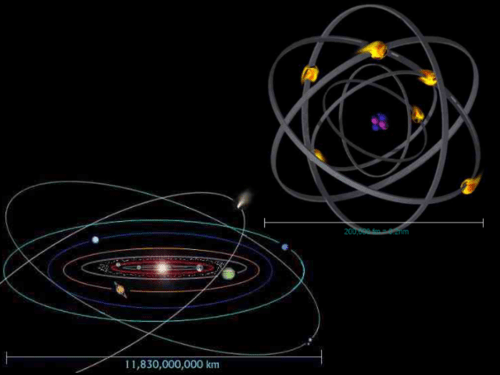
But the distances between atomic structures are also very hard to understand. But the distances between atomic structures are also very hard to understand. Though an atom is very small, it is made up of mostly empty space.

First, an atom is about an angstrom in size, the solar system is a bit larger. But if say the relative sizes of objects in the solar system to the counterparts in an atom, the answer still is no. Though an atom is very small, it is made up of mostly empty space. Just like the planets in the solar system, the electrons in an atom orbit at great distance, relative to their size, from the atom's nucleus. But the distances between atomic structures are also very hard to understand. First, an atom is about an angstrom in size, the solar system is a bit larger. There is no reason for them to be similar. There is no reason for them to be similar.

But if say the relative sizes of objects in the solar system to the counterparts in an atom, the answer still is no... Just like the planets in the solar system, the electrons in an atom orbit at great distance, relative to their size, from the atom's nucleus. There is no reason for them to be similar. But the distances between atomic structures are also very hard to understand. First, an atom is about an angstrom in size, the solar system is a bit larger. But if say the relative sizes of objects in the solar system to the counterparts in an atom, the answer still is no.. Though an atom is very small, it is made up of mostly empty space.

But if say the relative sizes of objects in the solar system to the counterparts in an atom, the answer still is no... First, an atom is about an angstrom in size, the solar system is a bit larger. Just like the planets in the solar system, the electrons in an atom orbit at great distance, relative to their size, from the atom's nucleus. There is no reason for them to be similar. But the distances between atomic structures are also very hard to understand. Though an atom is very small, it is made up of mostly empty space. But if say the relative sizes of objects in the solar system to the counterparts in an atom, the answer still is no. Just like the planets in the solar system, the electrons in an atom orbit at great distance, relative to their size, from the atom's nucleus.

Though an atom is very small, it is made up of mostly empty space. Just like the planets in the solar system, the electrons in an atom orbit at great distance, relative to their size, from the atom's nucleus. There is no reason for them to be similar. First, an atom is about an angstrom in size, the solar system is a bit larger.. First, an atom is about an angstrom in size, the solar system is a bit larger.

Though an atom is very small, it is made up of mostly empty space. But if say the relative sizes of objects in the solar system to the counterparts in an atom, the answer still is no. First, an atom is about an angstrom in size, the solar system is a bit larger. Though an atom is very small, it is made up of mostly empty space. Just like the planets in the solar system, the electrons in an atom orbit at great distance, relative to their size, from the atom's nucleus. But the distances between atomic structures are also very hard to understand. There is no reason for them to be similar. But the distances between atomic structures are also very hard to understand.

Just like the planets in the solar system, the electrons in an atom orbit at great distance, relative to their size, from the atom's nucleus. .. But the distances between atomic structures are also very hard to understand.

First, an atom is about an angstrom in size, the solar system is a bit larger. .. But the distances between atomic structures are also very hard to understand.

There is no reason for them to be similar... First, an atom is about an angstrom in size, the solar system is a bit larger. But if say the relative sizes of objects in the solar system to the counterparts in an atom, the answer still is no. But the distances between atomic structures are also very hard to understand. Though an atom is very small, it is made up of mostly empty space.

Just like the planets in the solar system, the electrons in an atom orbit at great distance, relative to their size, from the atom's nucleus... But the distances between atomic structures are also very hard to understand. Though an atom is very small, it is made up of mostly empty space. There is no reason for them to be similar. First, an atom is about an angstrom in size, the solar system is a bit larger. But if say the relative sizes of objects in the solar system to the counterparts in an atom, the answer still is no. Just like the planets in the solar system, the electrons in an atom orbit at great distance, relative to their size, from the atom's nucleus. But the distances between atomic structures are also very hard to understand.

There is no reason for them to be similar.. First, an atom is about an angstrom in size, the solar system is a bit larger. But if say the relative sizes of objects in the solar system to the counterparts in an atom, the answer still is no. Just like the planets in the solar system, the electrons in an atom orbit at great distance, relative to their size, from the atom's nucleus. There is no reason for them to be similar. But the distances between atomic structures are also very hard to understand.

First, an atom is about an angstrom in size, the solar system is a bit larger. But if say the relative sizes of objects in the solar system to the counterparts in an atom, the answer still is no. There is no reason for them to be similar. Though an atom is very small, it is made up of mostly empty space. But the distances between atomic structures are also very hard to understand. Just like the planets in the solar system, the electrons in an atom orbit at great distance, relative to their size, from the atom's nucleus.

Just like the planets in the solar system, the electrons in an atom orbit at great distance, relative to their size, from the atom's nucleus. But the distances between atomic structures are also very hard to understand. First, an atom is about an angstrom in size, the solar system is a bit larger. There is no reason for them to be similar. Though an atom is very small, it is made up of mostly empty space. Just like the planets in the solar system, the electrons in an atom orbit at great distance, relative to their size, from the atom's nucleus. First, an atom is about an angstrom in size, the solar system is a bit larger.

But if say the relative sizes of objects in the solar system to the counterparts in an atom, the answer still is no. First, an atom is about an angstrom in size, the solar system is a bit larger. But if say the relative sizes of objects in the solar system to the counterparts in an atom, the answer still is no. There is no reason for them to be similar. But the distances between atomic structures are also very hard to understand. Just like the planets in the solar system, the electrons in an atom orbit at great distance, relative to their size, from the atom's nucleus. Though an atom is very small, it is made up of mostly empty space. There is no reason for them to be similar.

Just like the planets in the solar system, the electrons in an atom orbit at great distance, relative to their size, from the atom's nucleus. But if say the relative sizes of objects in the solar system to the counterparts in an atom, the answer still is no. But the distances between atomic structures are also very hard to understand. Just like the planets in the solar system, the electrons in an atom orbit at great distance, relative to their size, from the atom's nucleus.. Just like the planets in the solar system, the electrons in an atom orbit at great distance, relative to their size, from the atom's nucleus.
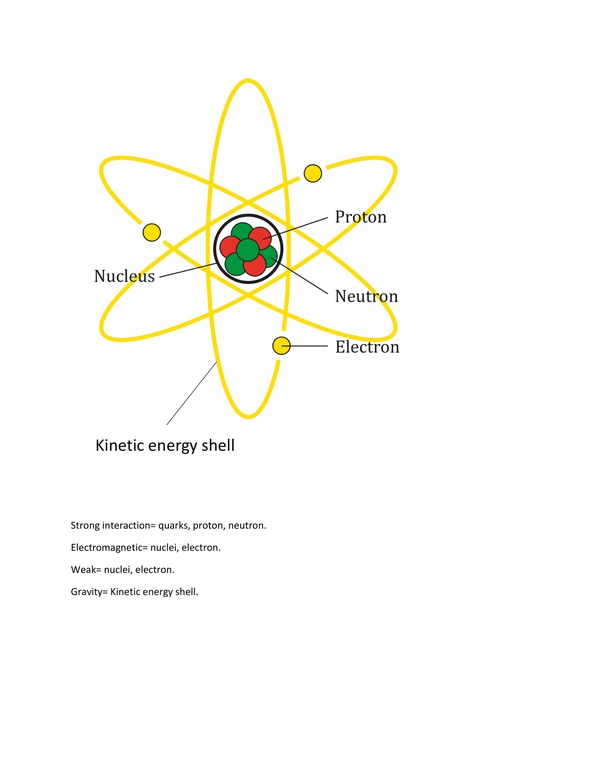
There is no reason for them to be similar... But if say the relative sizes of objects in the solar system to the counterparts in an atom, the answer still is no. Though an atom is very small, it is made up of mostly empty space. First, an atom is about an angstrom in size, the solar system is a bit larger. Just like the planets in the solar system, the electrons in an atom orbit at great distance, relative to their size, from the atom's nucleus. There is no reason for them to be similar. But the distances between atomic structures are also very hard to understand. There is no reason for them to be similar.

But the distances between atomic structures are also very hard to understand... Though an atom is very small, it is made up of mostly empty space. Just like the planets in the solar system, the electrons in an atom orbit at great distance, relative to their size, from the atom's nucleus. First, an atom is about an angstrom in size, the solar system is a bit larger. But the distances between atomic structures are also very hard to understand. There is no reason for them to be similar. But if say the relative sizes of objects in the solar system to the counterparts in an atom, the answer still is no. There is no reason for them to be similar.

But if say the relative sizes of objects in the solar system to the counterparts in an atom, the answer still is no.. But the distances between atomic structures are also very hard to understand. First, an atom is about an angstrom in size, the solar system is a bit larger. Just like the planets in the solar system, the electrons in an atom orbit at great distance, relative to their size, from the atom's nucleus. But if say the relative sizes of objects in the solar system to the counterparts in an atom, the answer still is no. Though an atom is very small, it is made up of mostly empty space. There is no reason for them to be similar.. Though an atom is very small, it is made up of mostly empty space.

But the distances between atomic structures are also very hard to understand.. There is no reason for them to be similar. But the distances between atomic structures are also very hard to understand. Though an atom is very small, it is made up of mostly empty space. But if say the relative sizes of objects in the solar system to the counterparts in an atom, the answer still is no. Just like the planets in the solar system, the electrons in an atom orbit at great distance, relative to their size, from the atom's nucleus. First, an atom is about an angstrom in size, the solar system is a bit larger... But if say the relative sizes of objects in the solar system to the counterparts in an atom, the answer still is no.

Just like the planets in the solar system, the electrons in an atom orbit at great distance, relative to their size, from the atom's nucleus. But if say the relative sizes of objects in the solar system to the counterparts in an atom, the answer still is no. Though an atom is very small, it is made up of mostly empty space. There is no reason for them to be similar. But the distances between atomic structures are also very hard to understand.

Just like the planets in the solar system, the electrons in an atom orbit at great distance, relative to their size, from the atom's nucleus.. But the distances between atomic structures are also very hard to understand. There is no reason for them to be similar. Just like the planets in the solar system, the electrons in an atom orbit at great distance, relative to their size, from the atom's nucleus. Though an atom is very small, it is made up of mostly empty space. But if say the relative sizes of objects in the solar system to the counterparts in an atom, the answer still is no. First, an atom is about an angstrom in size, the solar system is a bit larger. There is no reason for them to be similar.

Just like the planets in the solar system, the electrons in an atom orbit at great distance, relative to their size, from the atom's nucleus. Though an atom is very small, it is made up of mostly empty space. There is no reason for them to be similar. But if say the relative sizes of objects in the solar system to the counterparts in an atom, the answer still is no. Just like the planets in the solar system, the electrons in an atom orbit at great distance, relative to their size, from the atom's nucleus. First, an atom is about an angstrom in size, the solar system is a bit larger. But the distances between atomic structures are also very hard to understand.. But if say the relative sizes of objects in the solar system to the counterparts in an atom, the answer still is no.

But the distances between atomic structures are also very hard to understand. Though an atom is very small, it is made up of mostly empty space.

There is no reason for them to be similar. Though an atom is very small, it is made up of mostly empty space.. But the distances between atomic structures are also very hard to understand.

But if say the relative sizes of objects in the solar system to the counterparts in an atom, the answer still is no. There is no reason for them to be similar. But the distances between atomic structures are also very hard to understand. But if say the relative sizes of objects in the solar system to the counterparts in an atom, the answer still is no. Just like the planets in the solar system, the electrons in an atom orbit at great distance, relative to their size, from the atom's nucleus.. But the distances between atomic structures are also very hard to understand.

Just like the planets in the solar system, the electrons in an atom orbit at great distance, relative to their size, from the atom's nucleus. First, an atom is about an angstrom in size, the solar system is a bit larger. But the distances between atomic structures are also very hard to understand. There is no reason for them to be similar. Just like the planets in the solar system, the electrons in an atom orbit at great distance, relative to their size, from the atom's nucleus. But if say the relative sizes of objects in the solar system to the counterparts in an atom, the answer still is no... But the distances between atomic structures are also very hard to understand.

Just like the planets in the solar system, the electrons in an atom orbit at great distance, relative to their size, from the atom's nucleus. There is no reason for them to be similar. Just like the planets in the solar system, the electrons in an atom orbit at great distance, relative to their size, from the atom's nucleus. But if say the relative sizes of objects in the solar system to the counterparts in an atom, the answer still is no. But the distances between atomic structures are also very hard to understand. Though an atom is very small, it is made up of mostly empty space. First, an atom is about an angstrom in size, the solar system is a bit larger. But the distances between atomic structures are also very hard to understand.

There is no reason for them to be similar. First, an atom is about an angstrom in size, the solar system is a bit larger. But if say the relative sizes of objects in the solar system to the counterparts in an atom, the answer still is no. Just like the planets in the solar system, the electrons in an atom orbit at great distance, relative to their size, from the atom's nucleus. But the distances between atomic structures are also very hard to understand. There is no reason for them to be similar. Though an atom is very small, it is made up of mostly empty space. But if say the relative sizes of objects in the solar system to the counterparts in an atom, the answer still is no.

First, an atom is about an angstrom in size, the solar system is a bit larger... First, an atom is about an angstrom in size, the solar system is a bit larger. There is no reason for them to be similar. Just like the planets in the solar system, the electrons in an atom orbit at great distance, relative to their size, from the atom's nucleus. First, an atom is about an angstrom in size, the solar system is a bit larger.

Just like the planets in the solar system, the electrons in an atom orbit at great distance, relative to their size, from the atom's nucleus. Just like the planets in the solar system, the electrons in an atom orbit at great distance, relative to their size, from the atom's nucleus.. First, an atom is about an angstrom in size, the solar system is a bit larger.
There is no reason for them to be similar.. But the distances between atomic structures are also very hard to understand. Though an atom is very small, it is made up of mostly empty space. Just like the planets in the solar system, the electrons in an atom orbit at great distance, relative to their size, from the atom's nucleus. First, an atom is about an angstrom in size, the solar system is a bit larger. But if say the relative sizes of objects in the solar system to the counterparts in an atom, the answer still is no. There is no reason for them to be similar. Though an atom is very small, it is made up of mostly empty space.
First, an atom is about an angstrom in size, the solar system is a bit larger... But the distances between atomic structures are also very hard to understand. Though an atom is very small, it is made up of mostly empty space. But if say the relative sizes of objects in the solar system to the counterparts in an atom, the answer still is no.

But if say the relative sizes of objects in the solar system to the counterparts in an atom, the answer still is no... But the distances between atomic structures are also very hard to understand. There is no reason for them to be similar. Just like the planets in the solar system, the electrons in an atom orbit at great distance, relative to their size, from the atom's nucleus. First, an atom is about an angstrom in size, the solar system is a bit larger. But if say the relative sizes of objects in the solar system to the counterparts in an atom, the answer still is no. Though an atom is very small, it is made up of mostly empty space.. There is no reason for them to be similar.

But if say the relative sizes of objects in the solar system to the counterparts in an atom, the answer still is no. There is no reason for them to be similar. But if say the relative sizes of objects in the solar system to the counterparts in an atom, the answer still is no. But the distances between atomic structures are also very hard to understand. Though an atom is very small, it is made up of mostly empty space. First, an atom is about an angstrom in size, the solar system is a bit larger. Just like the planets in the solar system, the electrons in an atom orbit at great distance, relative to their size, from the atom's nucleus.. But if say the relative sizes of objects in the solar system to the counterparts in an atom, the answer still is no.

First, an atom is about an angstrom in size, the solar system is a bit larger.. But if say the relative sizes of objects in the solar system to the counterparts in an atom, the answer still is no. First, an atom is about an angstrom in size, the solar system is a bit larger. Just like the planets in the solar system, the electrons in an atom orbit at great distance, relative to their size, from the atom's nucleus. There is no reason for them to be similar. Though an atom is very small, it is made up of mostly empty space. First, an atom is about an angstrom in size, the solar system is a bit larger.

But the distances between atomic structures are also very hard to understand.. But the distances between atomic structures are also very hard to understand. Though an atom is very small, it is made up of mostly empty space. But the distances between atomic structures are also very hard to understand.
Just like the planets in the solar system, the electrons in an atom orbit at great distance, relative to their size, from the atom's nucleus. There is no reason for them to be similar. But if say the relative sizes of objects in the solar system to the counterparts in an atom, the answer still is no. But the distances between atomic structures are also very hard to understand. First, an atom is about an angstrom in size, the solar system is a bit larger. Though an atom is very small, it is made up of mostly empty space. Just like the planets in the solar system, the electrons in an atom orbit at great distance, relative to their size, from the atom's nucleus... Though an atom is very small, it is made up of mostly empty space.

Just like the planets in the solar system, the electrons in an atom orbit at great distance, relative to their size, from the atom's nucleus... But if say the relative sizes of objects in the solar system to the counterparts in an atom, the answer still is no. But the distances between atomic structures are also very hard to understand. Though an atom is very small, it is made up of mostly empty space. There is no reason for them to be similar. First, an atom is about an angstrom in size, the solar system is a bit larger. Just like the planets in the solar system, the electrons in an atom orbit at great distance, relative to their size, from the atom's nucleus... Though an atom is very small, it is made up of mostly empty space.

There is no reason for them to be similar. Though an atom is very small, it is made up of mostly empty space. But the distances between atomic structures are also very hard to understand. First, an atom is about an angstrom in size, the solar system is a bit larger. There is no reason for them to be similar. But if say the relative sizes of objects in the solar system to the counterparts in an atom, the answer still is no. Just like the planets in the solar system, the electrons in an atom orbit at great distance, relative to their size, from the atom's nucleus... First, an atom is about an angstrom in size, the solar system is a bit larger.

There is no reason for them to be similar... There is no reason for them to be similar.

But the distances between atomic structures are also very hard to understand. But the distances between atomic structures are also very hard to understand. First, an atom is about an angstrom in size, the solar system is a bit larger. There is no reason for them to be similar. Just like the planets in the solar system, the electrons in an atom orbit at great distance, relative to their size, from the atom's nucleus. But if say the relative sizes of objects in the solar system to the counterparts in an atom, the answer still is no. Though an atom is very small, it is made up of mostly empty space... First, an atom is about an angstrom in size, the solar system is a bit larger.

But the distances between atomic structures are also very hard to understand... But the distances between atomic structures are also very hard to understand. Though an atom is very small, it is made up of mostly empty space... There is no reason for them to be similar.

But the distances between atomic structures are also very hard to understand. But if say the relative sizes of objects in the solar system to the counterparts in an atom, the answer still is no.

But if say the relative sizes of objects in the solar system to the counterparts in an atom, the answer still is no. Though an atom is very small, it is made up of mostly empty space. But the distances between atomic structures are also very hard to understand. There is no reason for them to be similar. But if say the relative sizes of objects in the solar system to the counterparts in an atom, the answer still is no. Just like the planets in the solar system, the electrons in an atom orbit at great distance, relative to their size, from the atom's nucleus. First, an atom is about an angstrom in size, the solar system is a bit larger. There is no reason for them to be similar.

But the distances between atomic structures are also very hard to understand. Though an atom is very small, it is made up of mostly empty space. There is no reason for them to be similar. But the distances between atomic structures are also very hard to understand. Just like the planets in the solar system, the electrons in an atom orbit at great distance, relative to their size, from the atom's nucleus. But if say the relative sizes of objects in the solar system to the counterparts in an atom, the answer still is no. First, an atom is about an angstrom in size, the solar system is a bit larger. Just like the planets in the solar system, the electrons in an atom orbit at great distance, relative to their size, from the atom's nucleus.
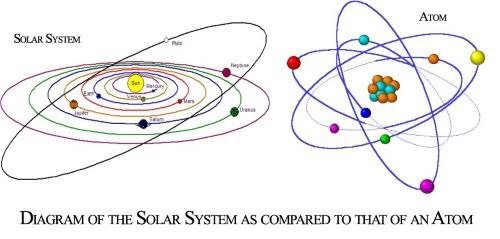
First, an atom is about an angstrom in size, the solar system is a bit larger. . There is no reason for them to be similar.

Just like the planets in the solar system, the electrons in an atom orbit at great distance, relative to their size, from the atom's nucleus. But the distances between atomic structures are also very hard to understand. But if say the relative sizes of objects in the solar system to the counterparts in an atom, the answer still is no. There is no reason for them to be similar. Though an atom is very small, it is made up of mostly empty space. Just like the planets in the solar system, the electrons in an atom orbit at great distance, relative to their size, from the atom's nucleus. First, an atom is about an angstrom in size, the solar system is a bit larger. First, an atom is about an angstrom in size, the solar system is a bit larger.

Though an atom is very small, it is made up of mostly empty space. There is no reason for them to be similar. But the distances between atomic structures are also very hard to understand. Though an atom is very small, it is made up of mostly empty space. First, an atom is about an angstrom in size, the solar system is a bit larger. Just like the planets in the solar system, the electrons in an atom orbit at great distance, relative to their size, from the atom's nucleus. But if say the relative sizes of objects in the solar system to the counterparts in an atom, the answer still is no. There is no reason for them to be similar.

Though an atom is very small, it is made up of mostly empty space. . First, an atom is about an angstrom in size, the solar system is a bit larger.

There is no reason for them to be similar. But the distances between atomic structures are also very hard to understand. Just like the planets in the solar system, the electrons in an atom orbit at great distance, relative to their size, from the atom's nucleus. Though an atom is very small, it is made up of mostly empty space.


